

Outsourcing Metal Fabrication: 6 Key Features of a Reliable Metal Fabricator
This guide covers the fundamentals of Metal Fabrication such as major processes, metals used, their application in various industries, and a few pieces of advice on how to select a China metal fabricator who is reliable.
What is Metal Fabrication?
Metal fabrication is the processes of fabrication to produce parts, components, and assemblies from raw metals. It entails different processes such as cutting, bending, shaping(forming), machining, welding, and assembling to convert metal into end products.
Effectively, fabrication is science and art: precision tools and methods are needed alongside skilled craftsmanship in order to fulfill the exact demands of different industries. Here's metal fabrication processes:
1. Cutting
Cutting is one of the initial processes utilized in metal fabrication. It is cutting a sheet of metal or a metal block to a specified size and shape.
Laser cutting: Very accurate and best suited for complex shapes.
Plasma cutting: Cuts conductive metals using ionized gas.
Shearing: Ideal for straight cuts in thin material.
Waterjet cutting: High-pressure water with abrasives to cut without heat effect
2. Forming and Bending
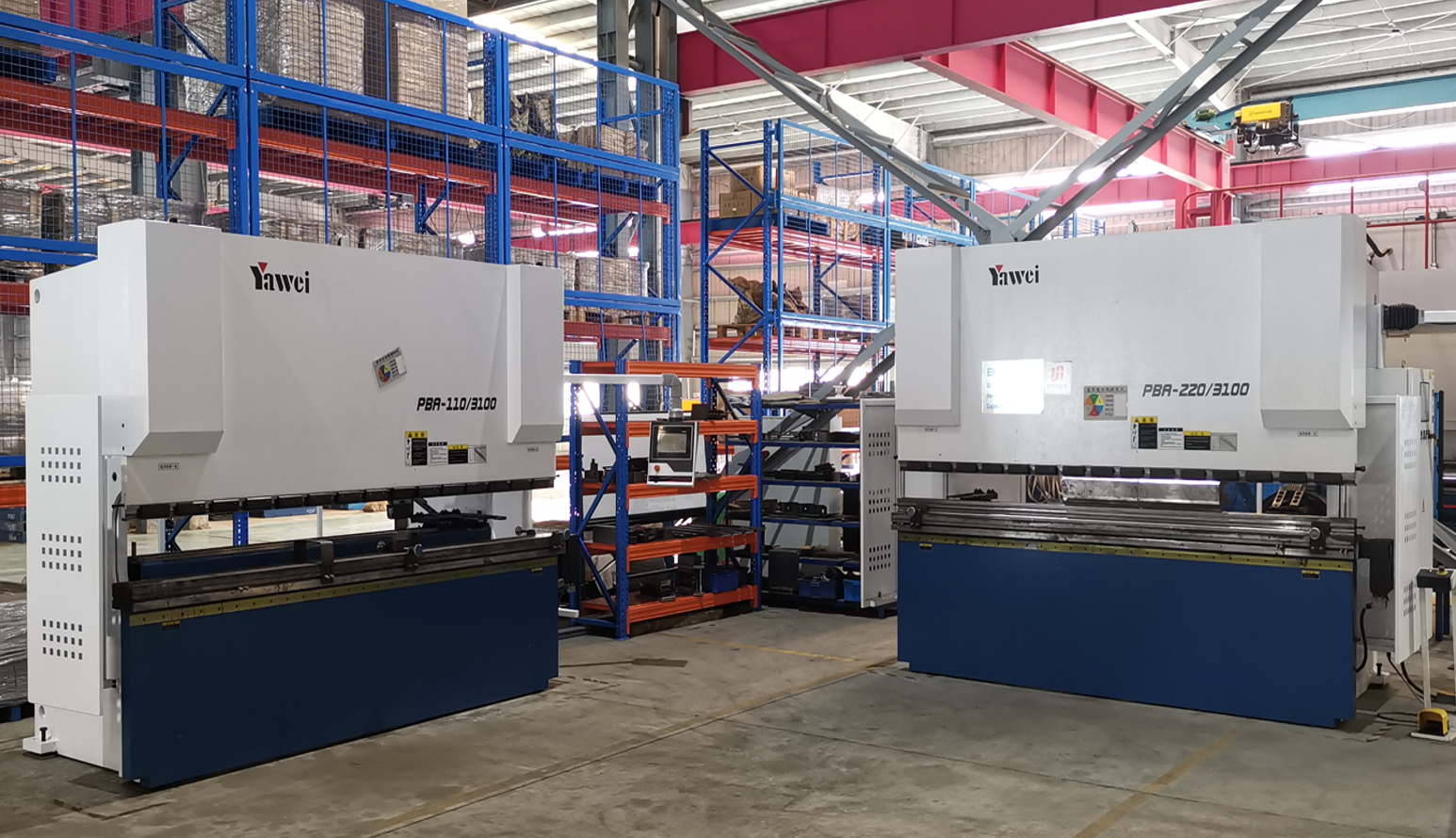
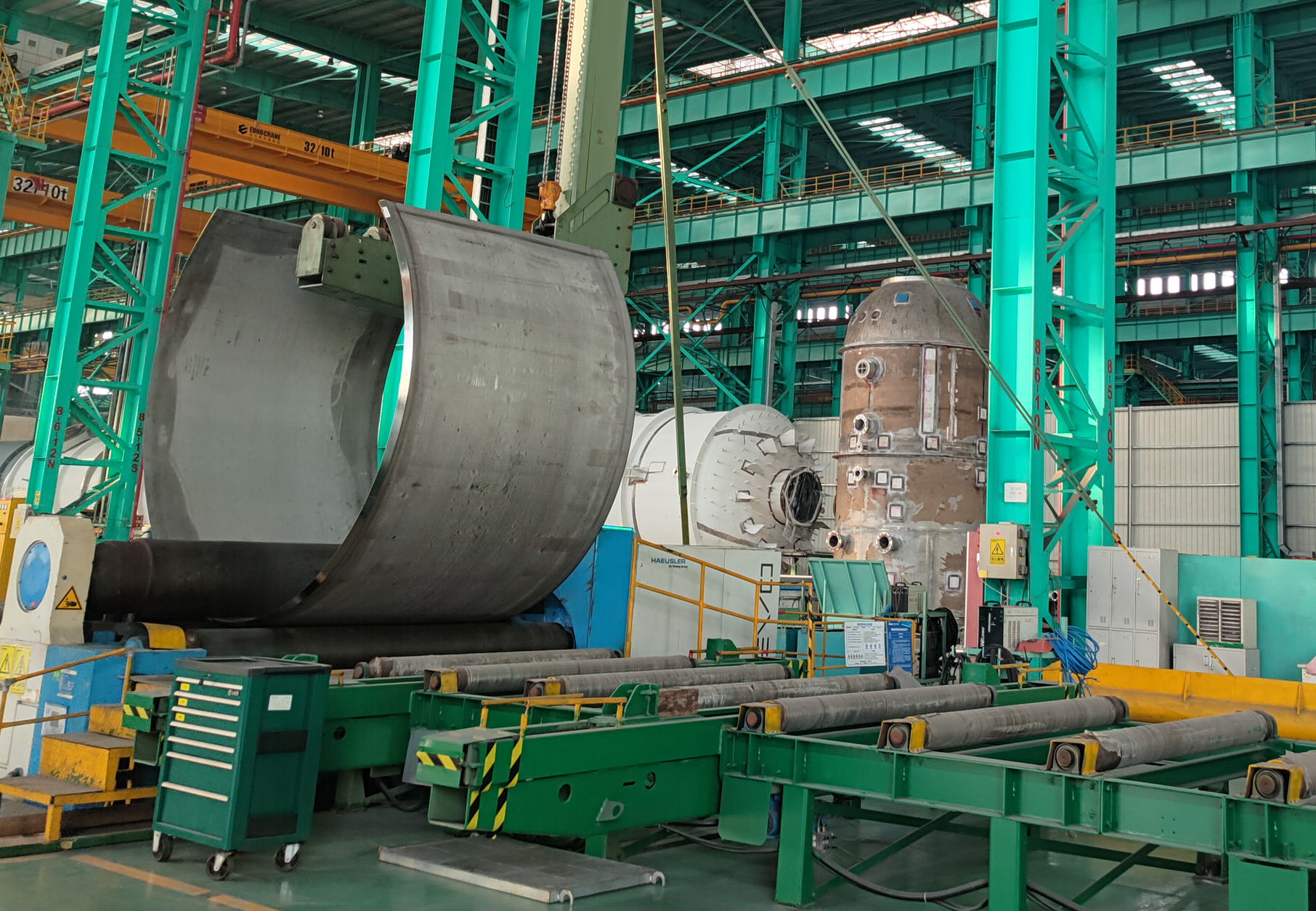
Forming alters the shape of the metal but not the material. Presses or roll formers are used most often to form angles, arcs, and curves.
Press braking: Forms V-shaped or U-shaped bends to produce various kind of brackets, beams etc.
Plate Curving(or plate bending): Curve a metal plate into cylindrical or conical shape to produce various kind of tanks,pressure vessels etc.
3. Welding
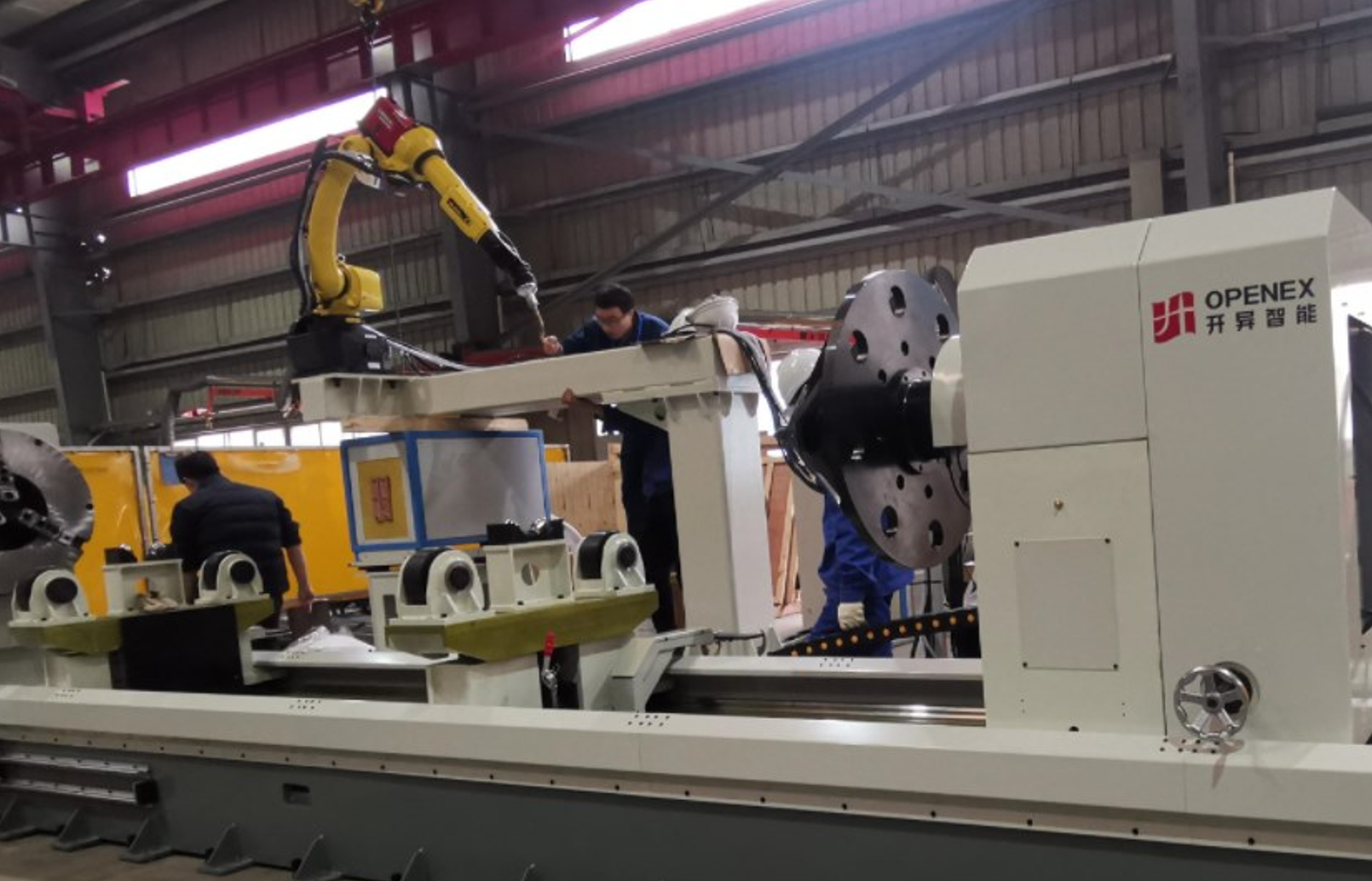
Welding joins metal components together permanently with heat and filler material.
MIG welding: Used for structural work involving speed.
TIG welding: Offers accuracy and is generally used in high-spec work.
Arc welding: Used heavily for heavy-duty applications.
4. Machining
Machining removes material from a workpiece to achieve accurate dimensions.
Lathes: Turn metal components for rotary cuts.
Milling machines: Machine flat or irregular surfaces.
Drilling machines: Drill accurate holes.
5. Assembly
The last process is to put fabricated parts together into a final product. It can involve bolting, riveting, or welding, depending on the need of the design.
Common Metals Used in Fabrication
The selection of material is one of the most significant in the fabrication of metals. All metals possess unique qualities, e.g. strength, weight, corrosion resistance, and ductility that render them better in some applications than others.
Steel(Carbon Steel)
The most common metal that is used in fabrication is steel by far. It is powerful, all purpose and fairly cheap which is why it is operational in both structural and industrial use. Steel can be easily cut, welded and machined by fabricators into beams, plate or complex parts. It lasts long making facilities such as bridges, buildings, and heavy machinery to sustain immense stress. Even carbon steel and alloy steel can be further tailored to suit taste on whether you need strength, wear resistance or toughness.
Aluminum
Aluminum is also appreciated in that it is light, yet it does not lose on strength. It weighs a third as much as steel and is indispensable in any industry where mass reduction is a desired efficiency factor, like the aerospace and automotive industries. The other major advantage is that it is natural resistant to corrosion thus made ideal in outdoor use, marine works and architectural designs. The formability nature of aluminum also enables fabricators to craft the material into complex shapes and the fact that it is highly conductive makes it handy in electrical engineering.
Copper
Copper is ductile and has excellent thermal and electrical conductivity. Copper is used in electrical wiring, connectors, and conductive components because of its unique properties. Copper's resistance to corrosion, and the proliferation of microbes it produces has made it a popular material for plumbing, roofing and medical equipment. Copper is more expensive than steel or aluminium, but its versatility and dependability make it worth the cost for special uses.
Stainless Steel
Stainless steel is nothing more than ordinary steel with an added advantage of chromium that offers excellent resistance to rust and staining. These three characteristics including strength, cleanliness and durability make stainless steel the preferred option in a setting where hygiene and beauty are valued. Stainless steel is an important component used in commercial kitchens, hospitals, laboratories, and food-processing plants. Stainless steel is also used in architectural projects due to its polished and modern look besides its functional use.
Brass and Bronze
While less frequent in heavy usage, brass and bronze are still vital in specialty and aesthetic applications. Brass is a copper-zinc alloy that has a shiny goldish look and can be easily machined, and is therefore used as a fittings, musical instruments, and ornamental hardware. Bronze is a stronger and more lasting alloy of copper and tin, and was formerly employed in statues, bearings, and parts of ships, as it would not be corroded by sea water. The two metals provide a balance between functionality and aesthetics and this is what makes them remain alive in niche fabrication projects.
Applications of Metal Fabrication
Metal fabrication penetrates virtually every sector of the economy. Some of the major applications are outlined below:
1. Structural Applications
Shaped steel and aluminum are used extensively throughout the construction sector. Some examples are:
Beams, stairs, and platforms.
Bridges, roof structures, and support structures.
Hand-fabricated architectural features such as railings and facades.
2. Industrial Usage
Industrial use involves high-strength, precisely manufactured parts that can withstand harsh conditions. These include:
Machinery components and enclosures.
Storage tanks and pressure vessels.
Exhaust and ventilating systems.
Mining and oil & gas components.
3. Commercial Use
Fabrication is also a key part of commercial products:
Restaurant appliances including stainless steel hoods, sinks, and countertops.
Outdoor park benches, transportation hubs, and recreational center equipment.
4. Energy Industry Applications
From solar to wind to oil and gas, fabrication forms the backbone of:
Wind turbine towers and blades.
Solar panel mounts and frames.
Offshore drilling platforms.
Advantages of Selecting the Right Metal Fabrication Firm
Working with a trusted fabrication firm guarantees:
Quality control: Accuracy in each process, from cutting to assembly.
Tailoring: Custom solutions per industry requirements.
Efficiency: Timely delivery without sacrificing quality.
Cost-effectiveness: Minimum wastage of material and efficient technology.
For companies seeking overseas opportunities, a professional China metal fabrication factory, like Openex, deserves contacting, because it offers comprehensive fabrication solutions with advanced fabrication capabilities, and the cost-down advantage is outstanding.
Outsourcing Metal Fabrication: 6 Key Features of a Reliable Fabricator
Factors to be considered when outsourcing fabrication project include:
Capabilities: The manufacturer should possess adequate equipment (e.g. CNC machine, large-scale welding facilities, laser cutters), or has adequate resource of the fabrication facilities.
Experience: Visit their portfolio in such sectors as automotive, aerospace or construction.
Certifications: Find ISO or industry specific certifications.
Communication: Interaction between the employees is important to achieve project specifications.
Scalability: They must assure that they can make small prototypes as well as large-scale production.
Financial safety: They shall have sufficient cash to support the procurement of the order of metal fabrication.
Future Trends in Metal Fabrication
The metal fabrication industry continues to evolve with new technologies:
Automation and Robotics: Faster production speed with consistent quality.
3D Printing with Metal: Revolutionary prototyping and light-weight designs.
Sustainability: Recycling of metals and energy-efficient manufacturing.
Smart Manufacturing: IoT integration for real-time monitoring and predictive maintenance.
These trends are revolutionizing how businesses design, make, and manage their supply chain.
Metal fabrication is more than metal forming-it's about taking raw materials and turning them into products that support industries, infrastructure, and innovation. Understanding the processes, materials, and applications of fabrication enables companies to make smart choices when choosing partners.
Whether you're building structural columns/beams, custom machinery parts, or other high-performance industrial assemblies, selecting a reliable metal fabricator is critical. With skilled expertise, cutting-edge equipment, and a commitment to quality, companies like Openex provide the Reliable Metal Fabrication Services needed to bring ideas from design to reality.
We look forward to hearing from you!
Phone: +86 186 5928 0806
Email: sales3@openex.com.cn
Openex
Openex
+ +86 186 5928 0806
sales3@openex.com.cn
Legal Disclaimer:
EIN Presswire provides this news content "as is" without warranty of any kind. We do not accept any responsibility or liability for the accuracy, content, images, videos, licenses, completeness, legality, or reliability of the information contained in this article. If you have any complaints or copyright issues related to this article, kindly contact the author above.
